
In a hotel, the floor works harder than almost any other surface. It has to look right on day one, survive thousands of footsteps, suitcases and cleaning trolleys, and still look right years later.
Start with the traffic, not the catalogue
Before choosing a colour or a pattern, map how each area is used. A lobby, a guest corridor and a bedroom see very different traffic, and the same floor rarely suits all three.
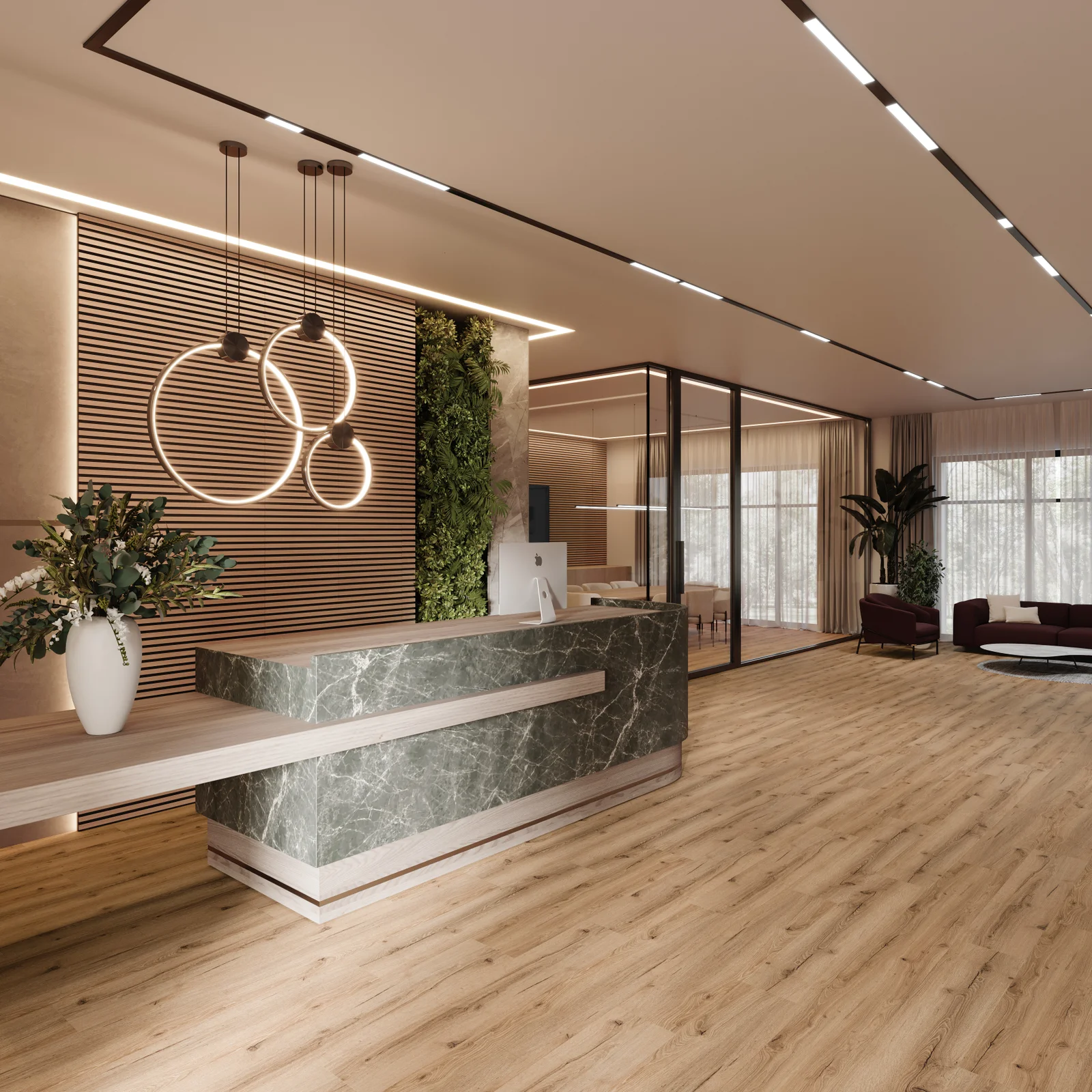
- Lobbies and reception: the heaviest traffic, wheeled luggage and outdoor dirt. Durable, easy-to-clean surfaces such as heterogeneous vinyl or SPC / LVT work well, often combined with entrance matting.
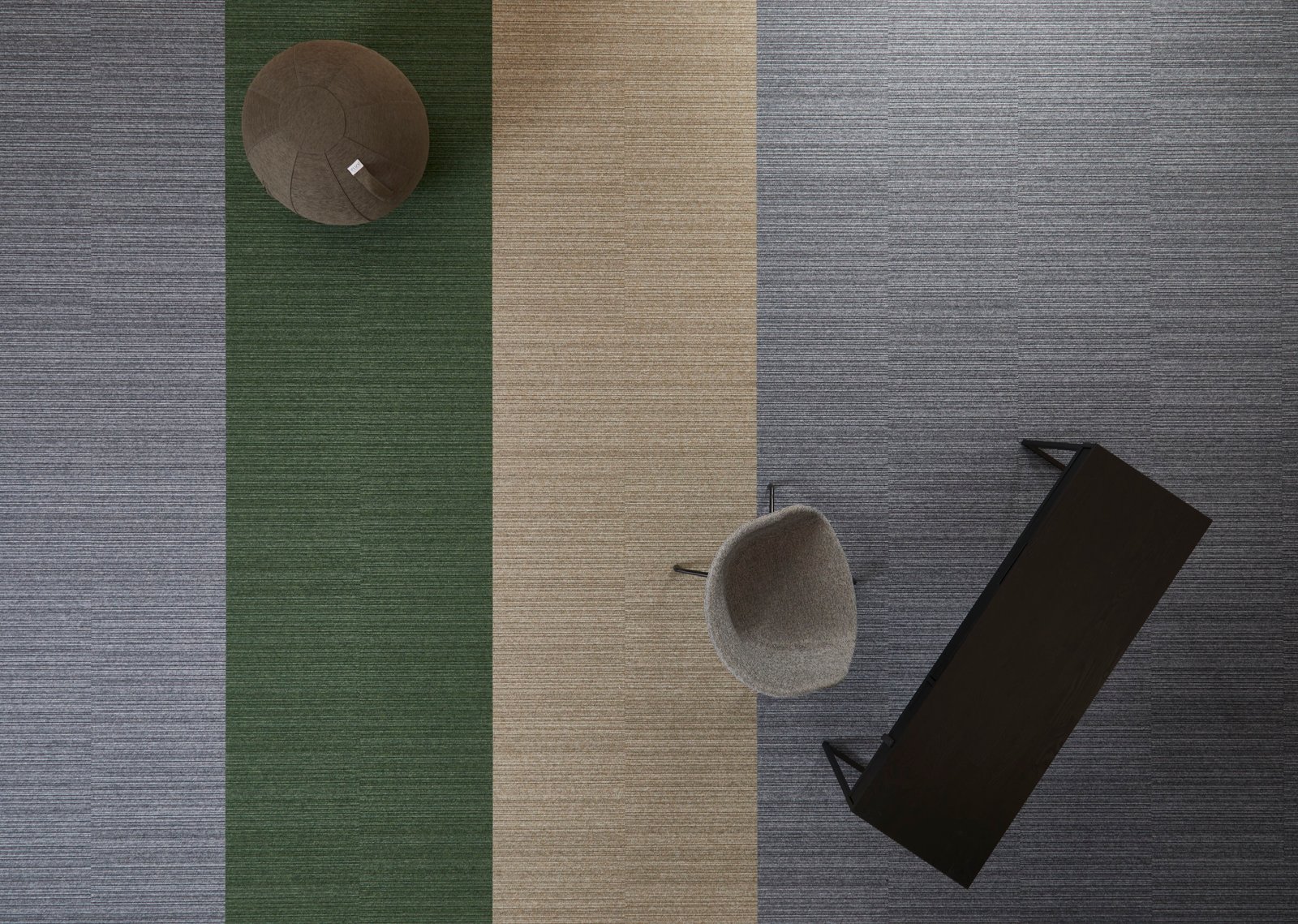
- Corridors: constant footfall in a narrow path. Carpet tiles are a strong choice: they reduce noise and worn tiles can be replaced one by one.
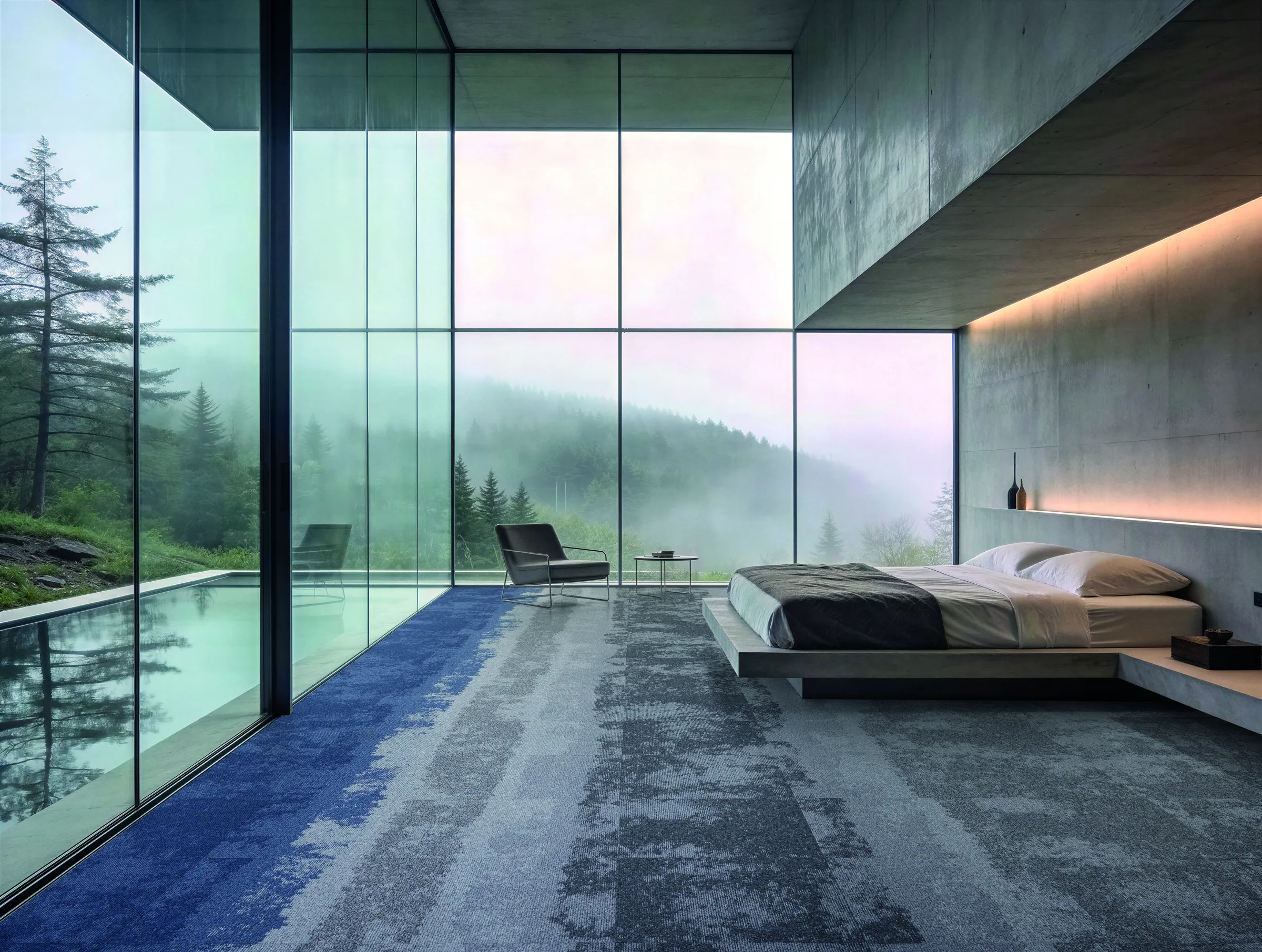
- Guest rooms: comfort and quiet come first. Broadloom carpets and rugs add warmth and absorb sound between rooms.
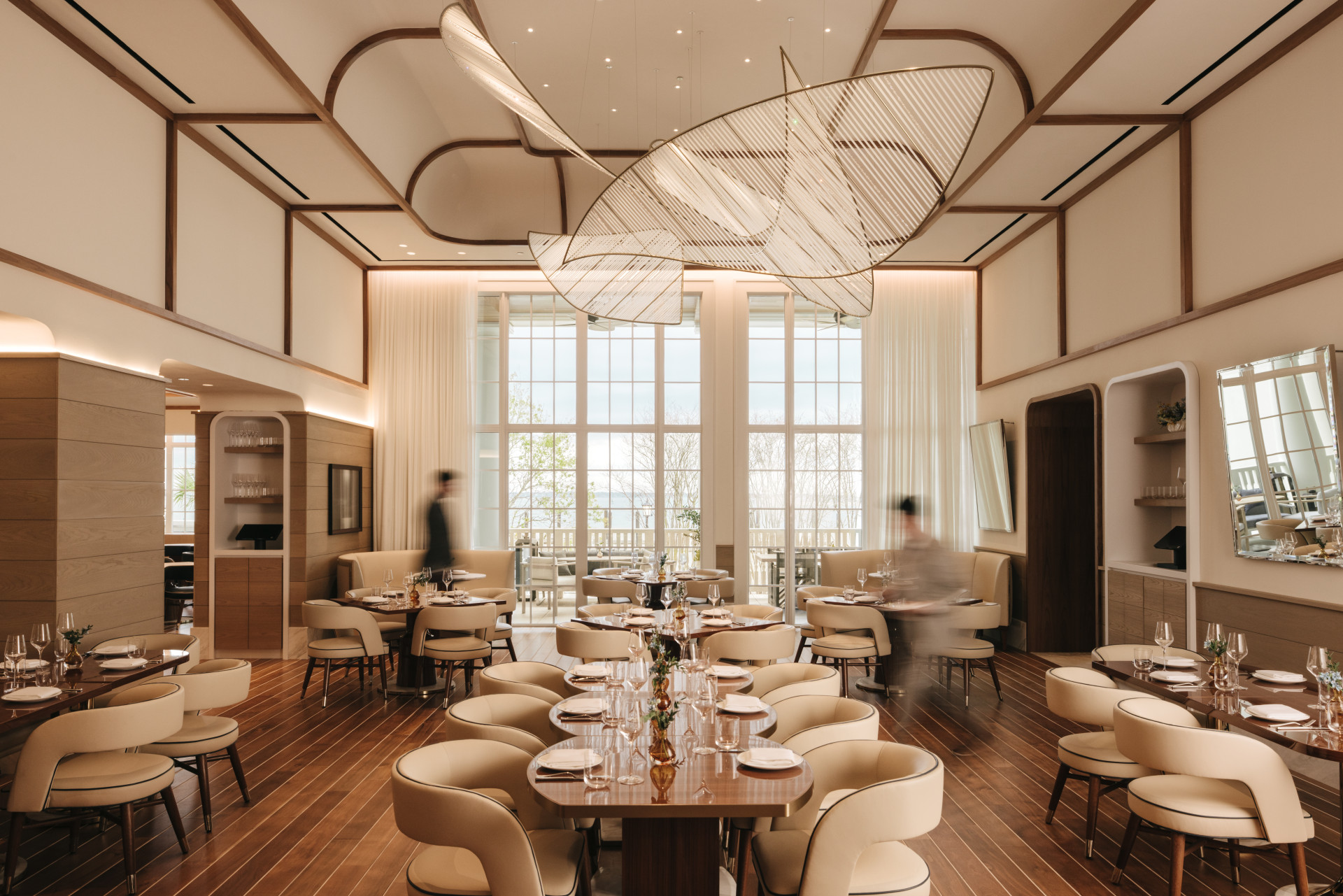
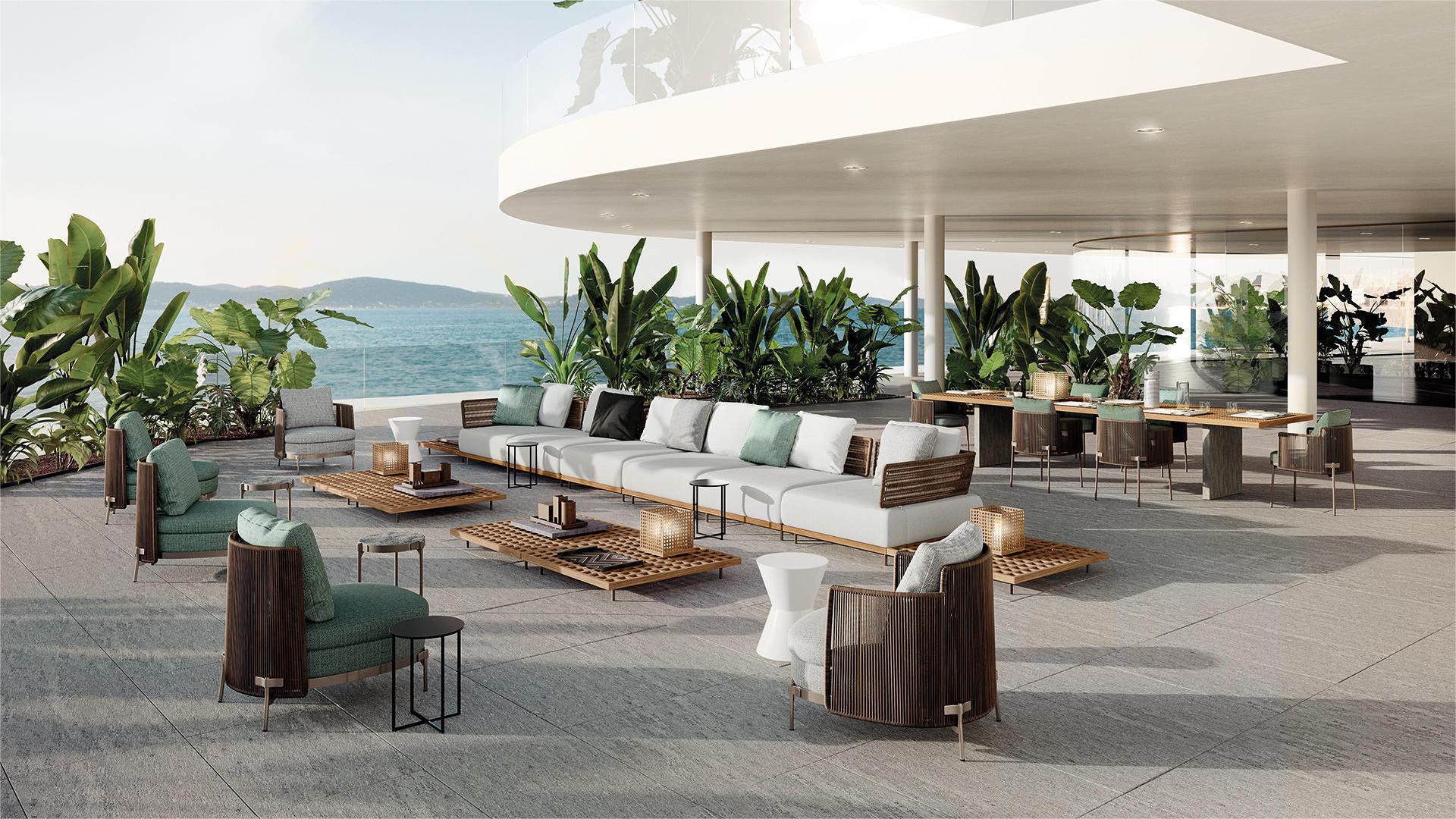
- Restaurants and bars: spills and chair movement. Resilient floors that clean quickly keep the space looking fresh between services.
Check the contract specifications
For hospitality and contract use, look beyond appearance. Ask for the product's contract use classification, its fire rating for floor coverings and its maintenance requirements. These details decide whether a floor will perform in a commercial space, and they are usually required by the project's specification.
The right floor is the one that still looks intended after five years of service.
Think about maintenance from day one
A material that needs special cleaning will cost more over its lifetime than a slightly pricier one that the housekeeping team can maintain easily. Discuss cleaning routines early, and choose colours and patterns that hide everyday wear.
Mix materials with intention
Most successful hotel projects combine several floor types. Clear transitions, matching tones and consistent thresholds make the change from vinyl to carpet feel designed rather than accidental.